
What Is Universal Design?
Designing deliberately for aging in place — and why it matters for an ADU.
Design October 12, 2024 By Rob Berry 3 min read
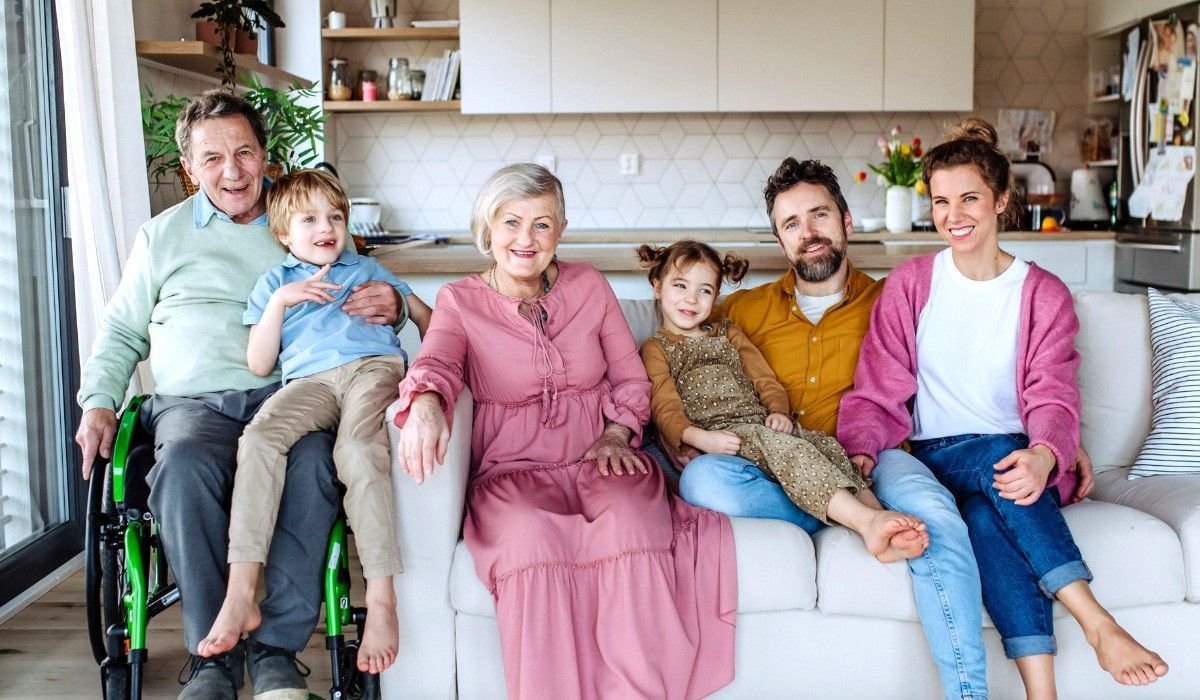
Universal design is an approach to creating products, environments and communication that are accessible to as many people as possible, regardless of age, ability or circumstance. The aim is that everyone — young or old, with or without disabilities — can use and enjoy the things we encounter in daily life.
This philosophy is particularly relevant in housing, where inclusivity and adaptability are key. We believe designing spaces that are accessible to all isn’t just about meeting regulations — it’s about creating homes that truly meet the needs of the people living in them, today and in the future.
The history of universal design
Universal design has roots in mid-20th-century architecture and urban planning. The term was coined by architect Ronald Mace in the 1970s, who initially focused on making buildings accessible to people with disabilities. His ideas gradually evolved into the broader concept of universal design, emphasizing inclusivity for all people.
Interest has grown again recently, partly because of the aging Baby Boomer generation. As more people reach retirement age, demand for accessible housing has grown significantly — and we see it in the increasing number of clients planning ahead with aging-in-place features. The desire for independent living, combined with the flexibility of ADUs, makes them a natural fit for universal design.
The role of aging in place
Aging-in-place design accounts for the fact that our physical abilities and needs change as we age. Thoughtful design elements let seniors live independently at home for longer, avoiding costly and sometimes unwanted moves to assisted living.
Whether you’re planning to house an elderly relative in an ADU or thinking ahead for your own future, many features make a home safer, more comfortable and more accessible as mobility decreases. They benefit everyone — from families with young children to people recovering from surgery or injury.
Practical aging-in-place features
- Wider doorways and hallways so walkers and wheelchairs pass through easily.
- Lever door handles, easier to operate than knobs, especially with arthritis or reduced hand strength.
- Grab bars in bathrooms, placed strategically to prevent falls — one of the most common hazards for older adults.
- Step-free entrances: ramps or level entries so no one has to navigate stairs.
- Lower countertops in kitchens and bathrooms for wheelchair users or anyone who has difficulty standing for long periods.
Our custom designs integrate these features seamlessly. You don’t have to sacrifice aesthetics for practicality — our design team blends universal design with modern, appealing architecture.
Benefits of universal design
- Greater independence for people with disabilities or chronic health conditions.
- More livable communities where everyone can participate fully in daily life.
- Homes usable by all, without costly modifications as people age or circumstances change.
- Increased social inclusion for people with disabilities.
- Aging in place: a better quality of life and lower healthcare costs.
- Cost savings: building these features in from the start is usually far cheaper than retrofitting later.
Universal design in our ADUs
Our experience designing and building ADUs in Southern California has given us valuable insight into what works for homeowners who want to age in place, house elderly relatives, or make their homes more adaptable. Here’s how we apply it:
- Step-free ADU entrances, through a gently sloped path or a direct, level entry.
- Accessible bathrooms and kitchens with walk-in showers, grab bars and adjustable countertops.
- Wider doorways and hallways that accommodate mobility devices and future-proof the home.
- Thoughtful lighting and acoustics for people with visual or auditory impairments.
Universal design is the future of housing
Universal design isn’t a trend — it’s a philosophy that can transform our homes and communities. Incorporating it into your ADU makes your home more accessible and functional today, and future-proofs it for changes in your family’s needs.
In this article
Get a free analysis of what fits on your lot, with estimated cost and timeline.
Published by Rob Berry · October 12, 2024← All ADU Insights
Related articles
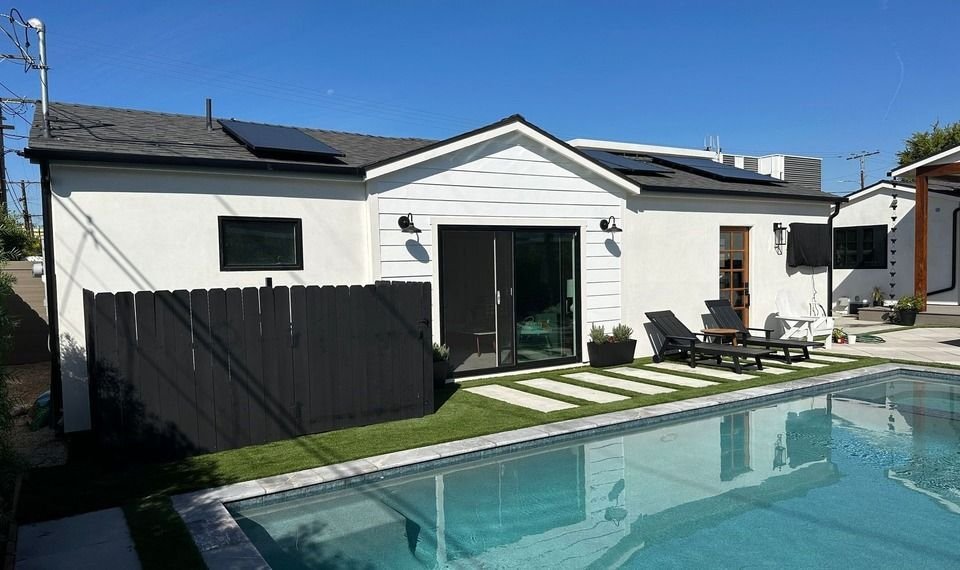
Smarter Living with All-Electric ADUs
Design October 19, 2024 · By Rob Berry
Costs, benefits and design considerations of an all-electric ADU.
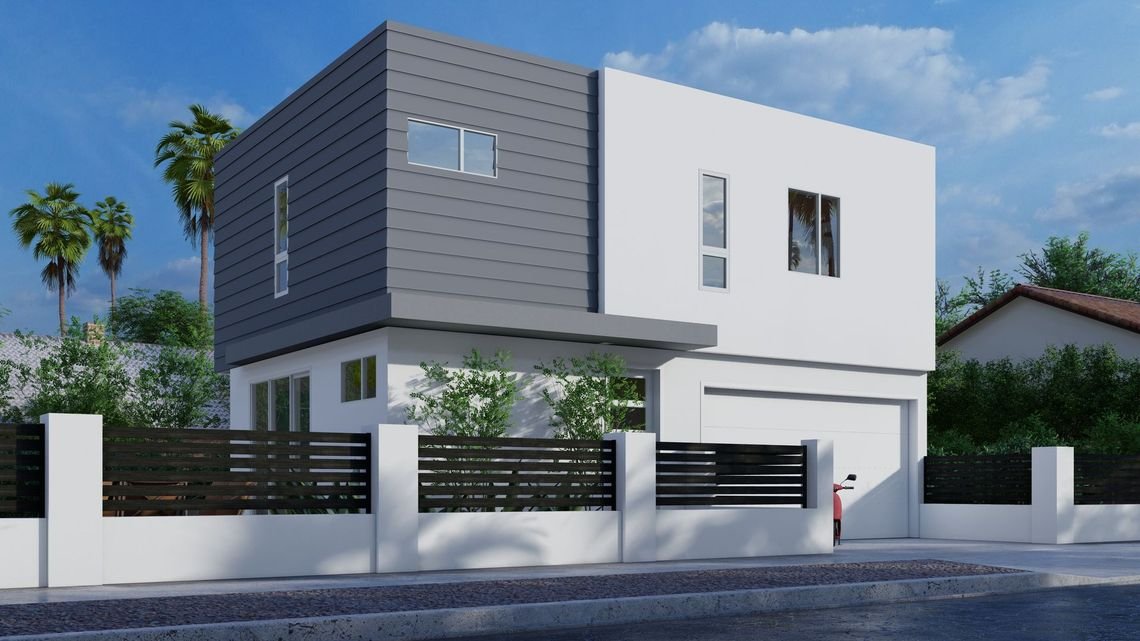
Keep Your Garage, Add an Apartment
Design May 1, 2020 · By Andrew Mele
The carriage house: how to keep your garage and add a home above it.
How to Finance an ADU
Financing August 12, 2025
A builder’s guide to budgeting, costs and loan options.
Start a Conversation
Ready to talk about your ADU?
Tell us what you’re considering and we’ll prepare a complimentary ADU analysis — what fits on your lot, recommended plans, estimated cost and timeline.
Subscribe to Our News
"*" indicates required fields
Serving homeowners throughout Los Angeles and Orange County.