
How to Finance an ADU
A builder’s guide to budgeting, costs and loan options.
Financing August 12, 2025 5 min read
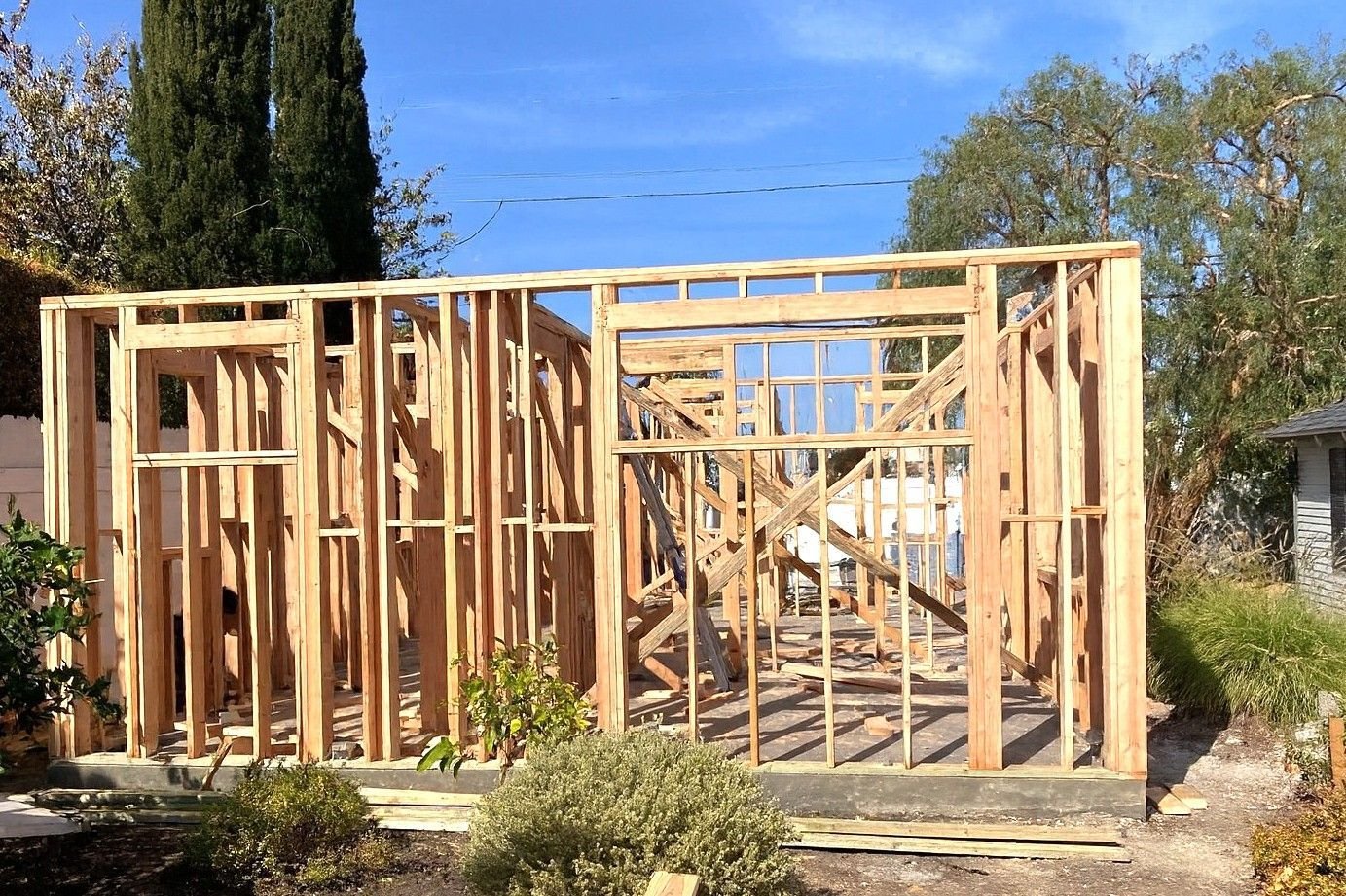
Financing an ADU in Southern California isn’t just about finding the right loan — it’s about making sure your funding covers the full scope of your project. Whether you’re building to generate rental income or create space for family, your loan needs to match the real cost of building an ADU in Los Angeles or Orange County.
As a design-build firm, we’ve seen homeowners run into financing trouble because they underestimated their all-in cost. They locked in a loan early, only to discover later it didn’t cover site work, permits or utility upgrades. The result: stress, delays and extra out-of-pocket expenses.
That’s why we put together this guide — from a builder’s perspective — to help you budget accurately, understand your financing options, and make sure your loan supports your ADU project from start to finish.
Start with a complete budget
The first step in financing an ADU is knowing exactly what it will cost. That means looking beyond construction numbers and accounting for every phase of the project:
- Site work — grading, drainage, foundation prep
- Utility connections — water, sewer, electrical, gas
- Permits & fees — varies by city in LA and OC
- Design & engineering — architectural plans, structural calculations, Title 24
- Interior finishes — flooring, cabinetry, fixtures, appliances
- Contingency — 10–15% for surprises like soil conditions or code changes
Your ADU design should be tailored to your budget — not the other way around. That’s why we start every project with a feasibility study that maps out costs before you approach a lender. Get your free feasibility report.
Understanding the true cost of an ADU
The total cost of your ADU includes both hard costs (materials, labor, construction) and soft costs (permits, design, utility upgrades).
Many homeowners only budget for the structure itself and are blindsided when additional requirements add $20,000–$50,000 to the project. By working with a design-build team from day one, you can identify these costs early, adjust the design if needed, and approach financing with confidence.
ADU financing options in Southern California
Once you know your budget, you can choose a financing path that works for you:
- Home equity line of credit (HELOC) — flexible and quick to access, but rates can vary.
- Cash-out refinance — good for locking in a fixed rate, but replaces your current mortgage.
- Renovation loans (Fannie Mae HomeStyle, FHA 203k) — based on the future value of your home after the ADU is built; can help if you want to use projected rental income to qualify.
- Construction loans — designed for ground-up builds; often convert into a permanent mortgage after completion.
- Private lenders & credit unions — more flexibility for unique properties or credit situations, though sometimes at higher rates.
Designing with financing in mind
Your ADU’s design directly influences both cost and loan approval. A lender looks at the total project value, so you want a design that aligns with your use or investment goals without exceeding your budget.
At ADU Homes, our in-house design team works hand in hand with our construction and permitting team to:
- Maximize space efficiently without unnecessary square footage
- Select materials that balance style, durability and budget
- Ensure every plan is fully code-compliant from day one
- Use value engineering to keep the project within financing limits without sacrificing quality
This integrated approach means fewer redesigns, faster permitting and a smoother financing process.
The most common ADU loan products
These are the loans we see homeowners use most for ADU projects in Los Angeles and Orange County.
Home equity loan / HELOC
A home equity loan or line of credit is often the simplest way to finance an ADU. Rates are higher than in the past, but this option stays popular because primary residences can often reach 80–90% loan-to-value (LTV).
Fixed-rate second loan
If you want to keep your existing low-rate mortgage, a fixed-rate second-position loan can be a strong choice. This newer product is based on your home’s after-renovation value, so no refinancing of your current loan is required.
- Terms up to 20 years
- No draws like a construction loan — you get the full amount upfront
- After the ADU is completed, an appraiser issues a certificate of completion
Construction loan
For homeowners without much equity, a construction loan can cover building costs and later roll into an adjustable-rate mortgage (ARM).
- Interest-only payments during construction
- Interest begins only when funds are drawn
- Available for both owner-occupied and rental properties
Renovation loan (FHA 203k or Fannie Mae HomeStyle)
These loans bundle your renovation, including an ADU, into your mortgage. Fannie Mae HomeStyle allows detached ADUs, with a conforming limit of $806,500 in Los Angeles and Orange County.
- May be based on future property value after the ADU is built
- Up to 95% financing for a primary residence, 85% for an investment property
- Can be combined with a purchase loan for buying and improving a property
Final thoughts: budget before you borrow
Financing an ADU is smoother — and far less stressful — when you start with accurate numbers. By understanding your all-in cost, choosing the right loan and designing within your budget, you set your project up for success.
ADU financing FAQs
Can I use projected rental income from my ADU to help qualify for a loan?
Yes. Many lenders, especially with renovation loans, allow estimated rental income as part of your debt-to-income ratio.
How much should I set aside for hidden costs?
We recommend budgeting an extra 10–15% of your total project cost for contingencies like soil remediation, utility upgrades or plan revisions.
How long does it take to secure ADU financing?
Most loans in Los Angeles and Orange County take 30–60 days to approve, depending on the lender and whether an appraisal is needed.
What’s the biggest financing mistake homeowners make?
Locking in a loan before getting a full, builder-verified cost estimate. This can lead to funding shortfalls and project delays.
Do design changes during construction affect my loan?
Yes. Major design changes can increase costs, which may require lender approval for additional funds. That’s why we align design with budget from the very beginning.
In this article
Get a free analysis of what fits on your lot, with estimated cost and timeline.
Published by ADU Homes · August 12, 2025← All ADU Insights
Related articles
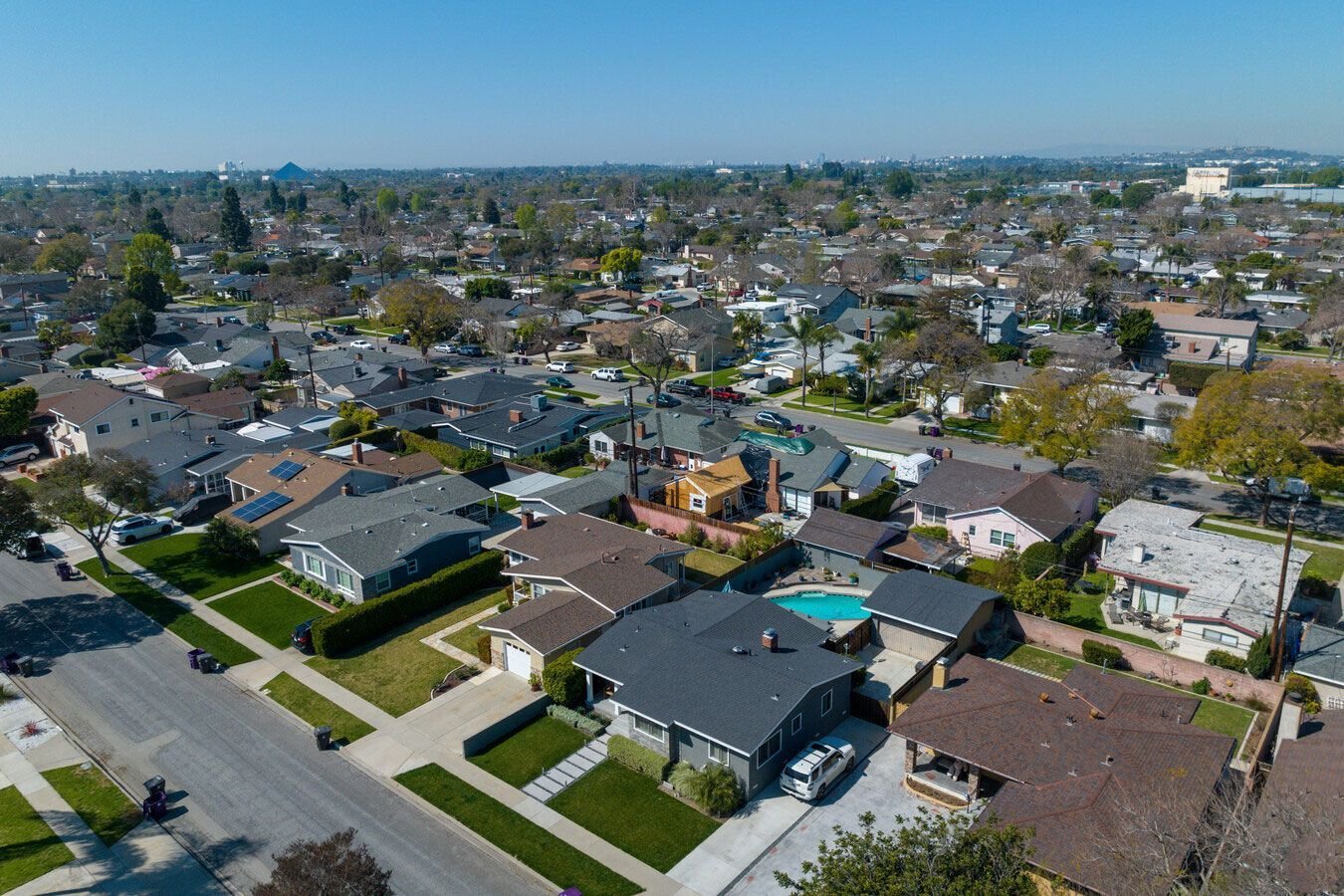
The Long Beach Backyard Builders Program
Financing September 24, 2024 · By Rob Berry
Up to $250,000 in low-interest loans for ADU construction — and how we can help.
$40,000 ADU Grant — Free Money for Your ADU
Financing August 3, 2022 · By Rob Berry
What the CalHFA ADU grant covers and who is eligible.
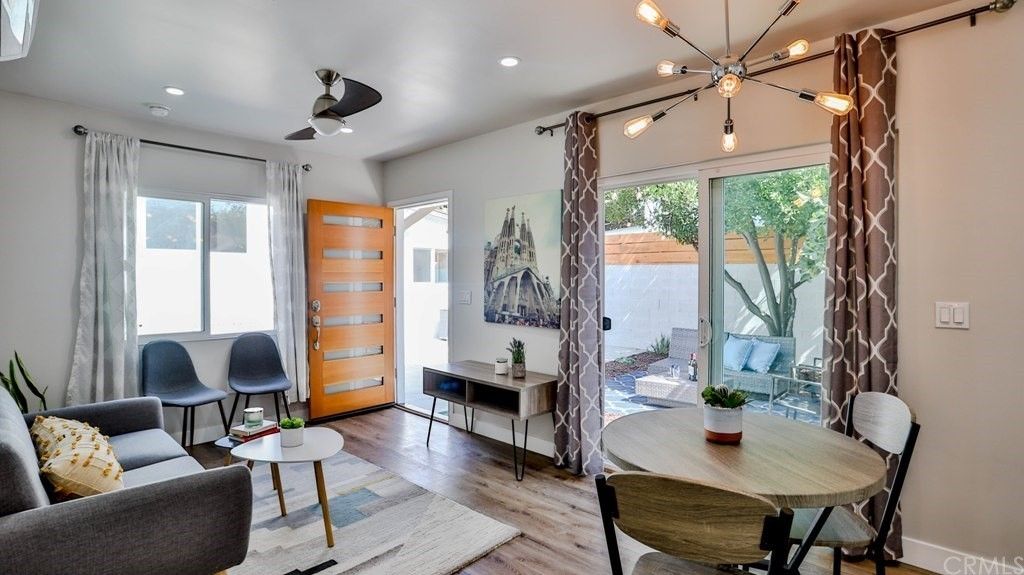
Why ADUs Make Financial Sense
Financing June 4, 2020 · By Andrew Mele
The real question isn’t why — it’s how to pay for it.
Start a Conversation
Ready to talk about your ADU?
Tell us what you’re considering and we’ll prepare a complimentary ADU analysis — what fits on your lot, recommended plans, estimated cost and timeline.
Subscribe to Our News
"*" indicates required fields
Serving homeowners throughout Los Angeles and Orange County.