
Smarter Living with All-Electric ADUs
Costs, benefits and design considerations of an all-electric ADU.
Design October 19, 2024 By Rob Berry 3 min read
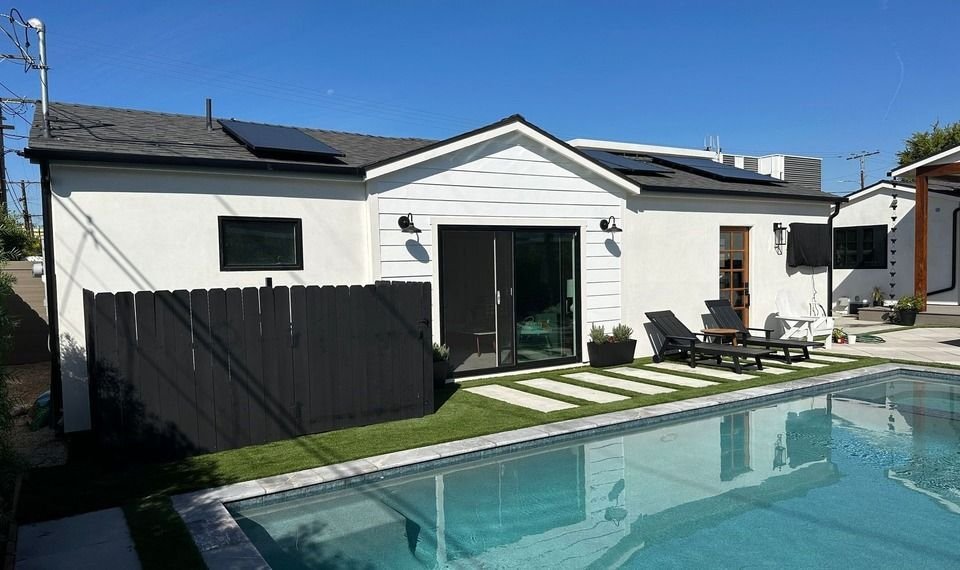
As California moves toward a cleaner, more sustainable future, energy efficiency and renewable energy are becoming a central focus in residential construction. While statewide all-electric mandates are not yet in place, cities like Berkeley and Santa Monica have already adopted regulations requiring new residential construction, including ADUs, to go fully electric.
If you’re considering building an ADU, choosing an all-electric design offers a range of advantages — from lower energy costs and improved indoor air quality to a significantly reduced carbon footprint. Let’s explore the costs, benefits and design considerations.
Cost-effective considerations
Building an all-electric ADU offers significant financial benefits and helps future-proof your home. In most cases, your ADU will have an electric heat pump HVAC system and an electric heat pump water heater to meet California energy code requirements. That simplifies the decision to go all-electric and reduces reliance on gas appliances. Heat pump appliances are much more efficient than gas, leading to lower utility bills — especially when paired with solar panels.
Going all-electric can also save cost and time during construction. With no need to connect gas to the ADU, homeowners avoid the expense of running a gas line from the meter. It also speeds up the timeline by eliminating coordination with an extra utility provider.
The benefits of going all-electric
- Energy efficiency. Electric systems, particularly with solar panels, are more efficient than gas-powered setups — lower energy bills and less waste.
- Healthier indoor air. Gas appliances can release pollutants like carbon monoxide and nitrogen dioxide into the home. Eliminating them means cleaner air — particularly valuable for households with children, elderly residents or anyone with respiratory conditions.
- Induction cooktops. Induction heats cookware directly with electromagnetic fields, so it’s faster and more efficient than gas or traditional electric, with precise temperature control. The surface stays cool to the touch, reducing burns, and with no open flame there are no cooking pollutants.
- Increased property value. Homes with all-electric systems and renewable energy like solar are often valued higher for their long-term savings and sustainability.
- Environmental impact. Electric appliances produce fewer greenhouse gases than gas. Paired with solar, your ADU can significantly reduce your overall carbon footprint.
Solar panel requirements
In California, solar panels are typically required for ADUs larger than 950 square feet, based on state energy calculations. Exact requirements vary by climate zone: milder coastal areas have different square-footage thresholds than hotter inland regions, where cooling demand is higher.
Solar installation for ADUs typically costs $12,000–$15,000, depending on system size and energy needs. State and federal incentives, such as the federal solar tax credit (up to 30%), can significantly reduce that. Over time, a solar-powered ADU can dramatically lower or eliminate electricity bills.
Design considerations for an all-electric ADU
Designing an all-electric ADU offers great flexibility. Electric water heaters are essentially mandatory in all ADUs, which makes the transition even smoother, and adjustments for other electric appliances are minimal and easily integrated into the layout.
Electric tank water heaters can be installed externally or in concealed spaces like closets. Heat pump HVAC systems handle both heating and cooling, are compact, and come ductless or ducted — ideal for smaller spaces. Modern electric appliances are designed with aesthetics in mind, so they fit any style.
Our design team works closely with homeowners to design and build energy-efficient ADUs that meet both functional and aesthetic goals — from selecting the right appliances to optimizing your electrical system.
Sustainability and the shift toward electric living
California is pushing toward a greener future, and the trend toward all-electric construction is only growing. Whether mandated locally or chosen voluntarily, an all-electric ADU future-proofs your home and aligns with the state’s renewable energy goals. With solar, you can also reduce reliance on the grid and lower energy costs.
Ready to build your all-electric ADU?
An all-electric ADU is a smart, future-proof investment in your property. Whether you’re motivated by lower energy costs, healthier indoor air or California’s sustainability goals, we’ll guide you every step of the way.
In this article
Get a free analysis of what fits on your lot, with estimated cost and timeline.
Published by Rob Berry · October 19, 2024← All ADU Insights
Related articles

What Is Universal Design?
Design October 12, 2024 · By Rob Berry
Designing deliberately for aging in place — and why it matters for an ADU.
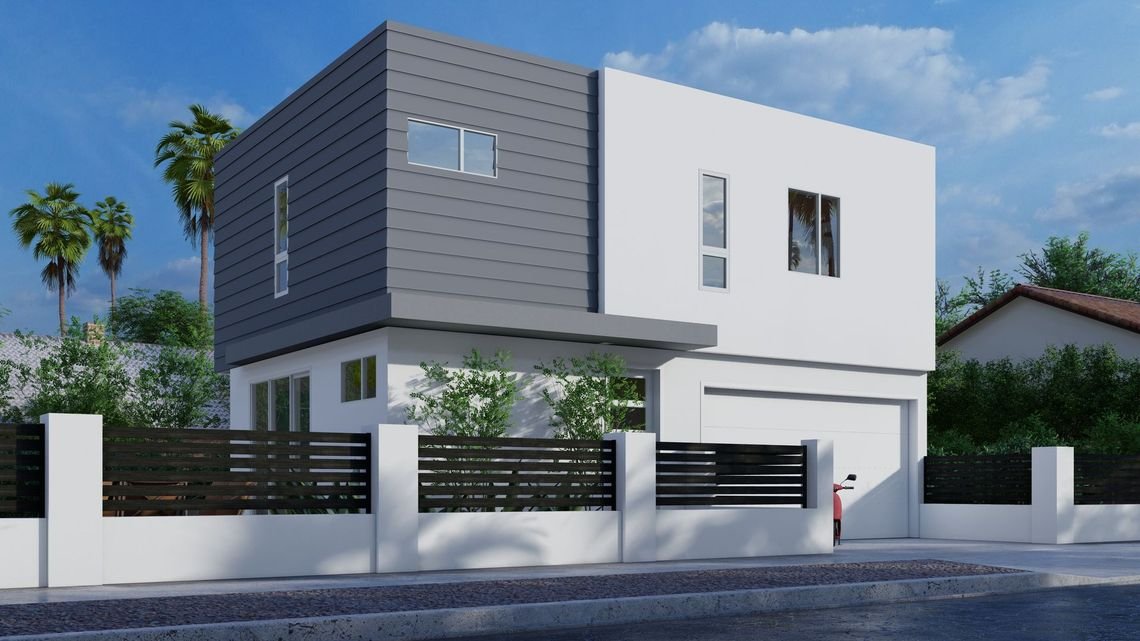
Keep Your Garage, Add an Apartment
Design May 1, 2020 · By Andrew Mele
The carriage house: how to keep your garage and add a home above it.
How to Finance an ADU
Financing August 12, 2025
A builder’s guide to budgeting, costs and loan options.
Start a Conversation
Ready to talk about your ADU?
Tell us what you’re considering and we’ll prepare a complimentary ADU analysis — what fits on your lot, recommended plans, estimated cost and timeline.
Subscribe to Our News
"*" indicates required fields
Serving homeowners throughout Los Angeles and Orange County.